Devon and the river mouth
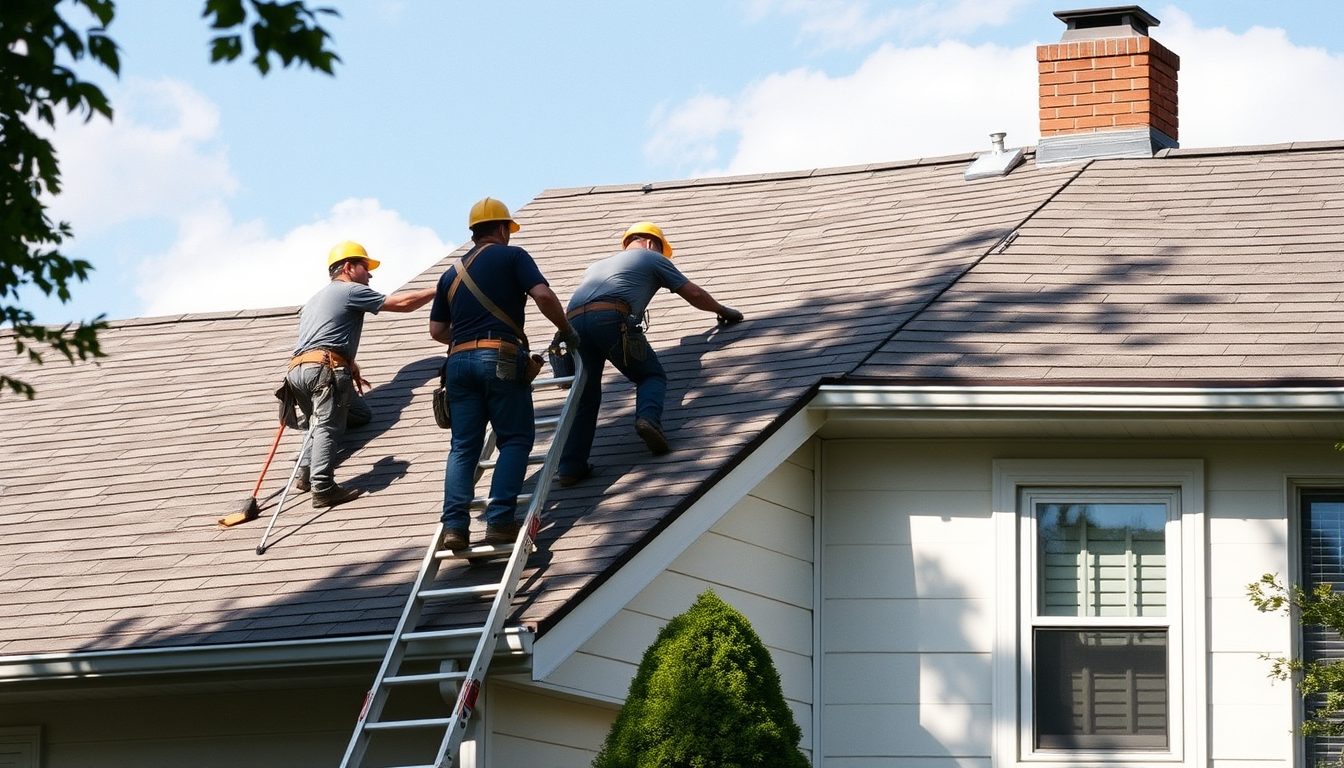
Devon sits where the Housatonic meets the Sound, and a good share of the older bungalows there are close to the flood line, some raised on piers after past flooding. Getting a crew and material onto those roofs means working around tighter lots, narrow driveways shared between two houses, and sometimes a set of stairs up to the main level before anyone reaches a ladder.
River fog sits over Devon on mornings when the rest of Milford is clear, and that extra moisture shows up as algae on north-facing slopes even on houses that see plenty of direct sun in the afternoon.
Walnut Beach and Bayview
The lots along Walnut Beach and Bayview are small and close together, many built when the area was a summer colony rather than a year-round neighborhood. Roofs there tend to be simple gable or hip shapes with short overhangs, because there was never much room to build out further. Staging a dumpster or a material delivery on those streets is planned around parking days ahead of the job.
Wind off the open water hits this stretch directly, with nothing between the roofs and the Sound to slow it down. Six nails per shingle and a high wind rated cap shingle are the standard here, the same as on the more exposed points further down the shoreline.
Woodmont's cottages turned year-round homes
Woodmont has a large stock of what were originally seasonal cottages, many converted to year-round living over the past few decades with additions, new siding and finished lower levels stacked on top of the original structure. What that means for a roof call is that the decking underneath can be a mix of eras: old skip sheathing in one section, plywood added during a later addition in another.
We check both separately rather than assuming the whole roof matches, because a shingle spec that works on solid plywood will not sit right over boards spaced two to four inches apart.
Milford Center and the Green
Move inland past the beach neighborhoods to the area around the Green and Milford Center, and the housing shifts to colonials and capes on more ordinary lots, set back further from the water with mature trees for shade rather than salt spray. The roofing problems there look more like what we see well inland: moss on the shaded north slope, gutters full of leaves each fall, and ice damming on the capes with finished attics.
Wind rated shingle and stainless fasteners are still specified within the flood zone boundary, but a few blocks past it the standard hot dipped fasteners and a normal starter strip are enough.
One rule that holds along the whole stretch
The specification on a Milford roof follows the water, not the neighborhood name on the mailbox. A house four blocks from the Sound in Devon gets treated like a beach house even if the street address says otherwise, and a house set back on a large lot near the Green gets treated like an inland roof even though it is still technically Milford.
That is the reason we walk every roof rather than pricing off an address. Two houses ten minutes apart by car can need entirely different fasteners, different ridge cap, and a different answer to how long the roof should be expected to last.
The same rule decides what gets carried on the truck before the crew even leaves in the morning. A Devon or Walnut Beach job means stainless fasteners, adhesive starter and a high wind rated cap shingle loaded from the start, while a job near the Green calls for standard hot dipped fasteners and whatever ridge vent the attic needs. Guessing wrong means a second trip, so the walk-through on the first visit settles it before any material is ordered.