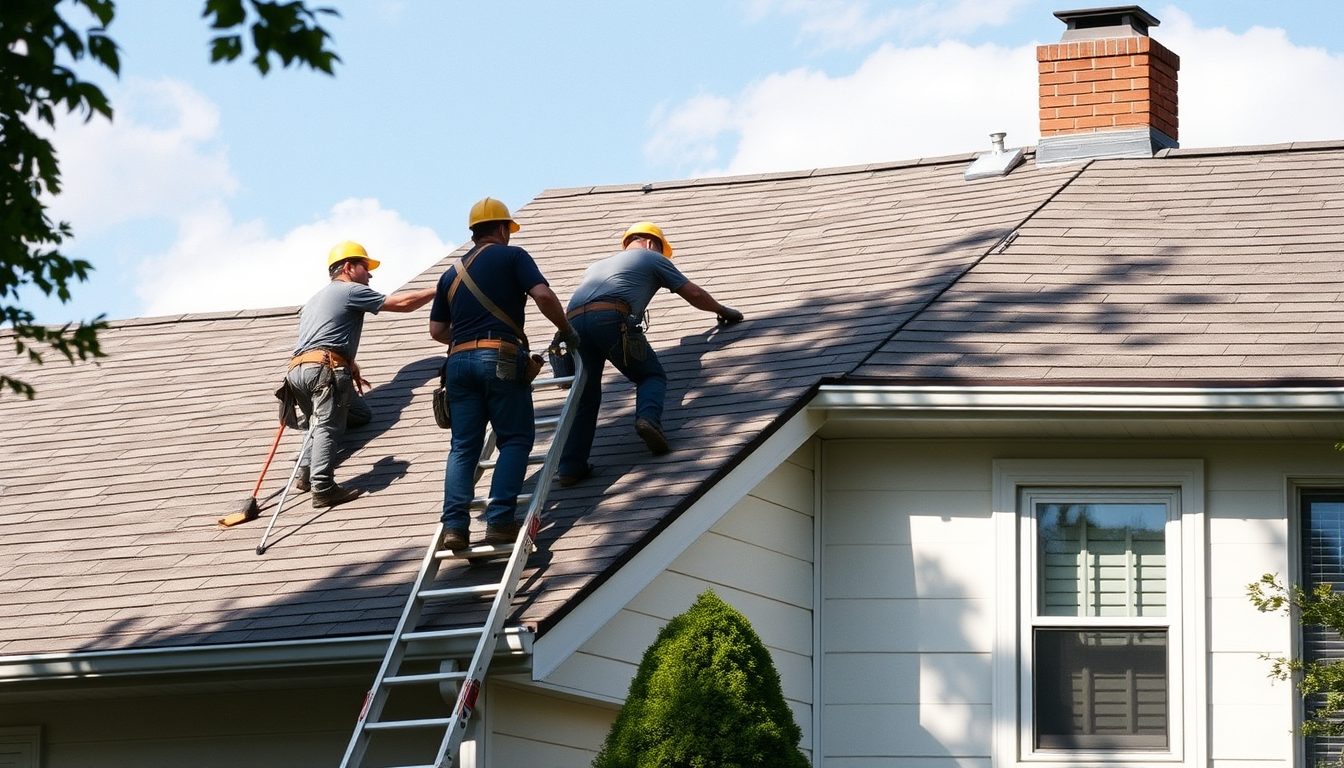
How long does a shingle roof last near the water?
On the Connecticut shoreline, an architectural asphalt shingle roof that was installed properly runs twenty to twenty five years. Salt air, wind-driven rain and ice dams shorten that if the fasteners, the underlayment or the eave detail were cut short at installation. A roof from a builder-grade three-tab install in the late nineties is at the end of its life now.
Do I need a permit to replace my roof in Milford?
Yes. Milford requires a building permit for roof replacement, as do most of the surrounding towns. We pull it as part of the job. The inspection that comes with it is a benefit to you, not an obstacle.
Can a second layer go over the old shingles?
Connecticut allows two layers, but we recommend it only on a simple roof with one existing layer and sound decking. Most of the capes and colonials we see already have two layers or have decking we need to look at, so a tear-off is the usual answer. The second layer also adds weight and traps heat, which shortens the life of the new shingles.
What causes the ice dams every February?
Heat escaping into the attic melts snow on the upper roof, the water runs to the cold eave and freezes, and the next melt backs up under the shingles. The lasting fix is attic insulation and air sealing plus a proper ice and water membrane at the eaves when the roof is replaced. Heat cables are a patch, not a cure.
Is metal worth the extra cost?
For a homeowner planning to stay, often yes. Standing seam metal sheds snow, shrugs off the wind we get, and will outlast two shingle roofs. It costs more up front and it is louder in a heavy rain if the attic is uninsulated. We will give you both numbers and let you decide.
How fast can you get to a leak after a storm?
Emergency tarping usually happens the same day or the next morning after a nor'easter. The permanent repair is scheduled once the roof is dry enough to walk safely. Photograph the ceiling damage for your insurer while you wait.